
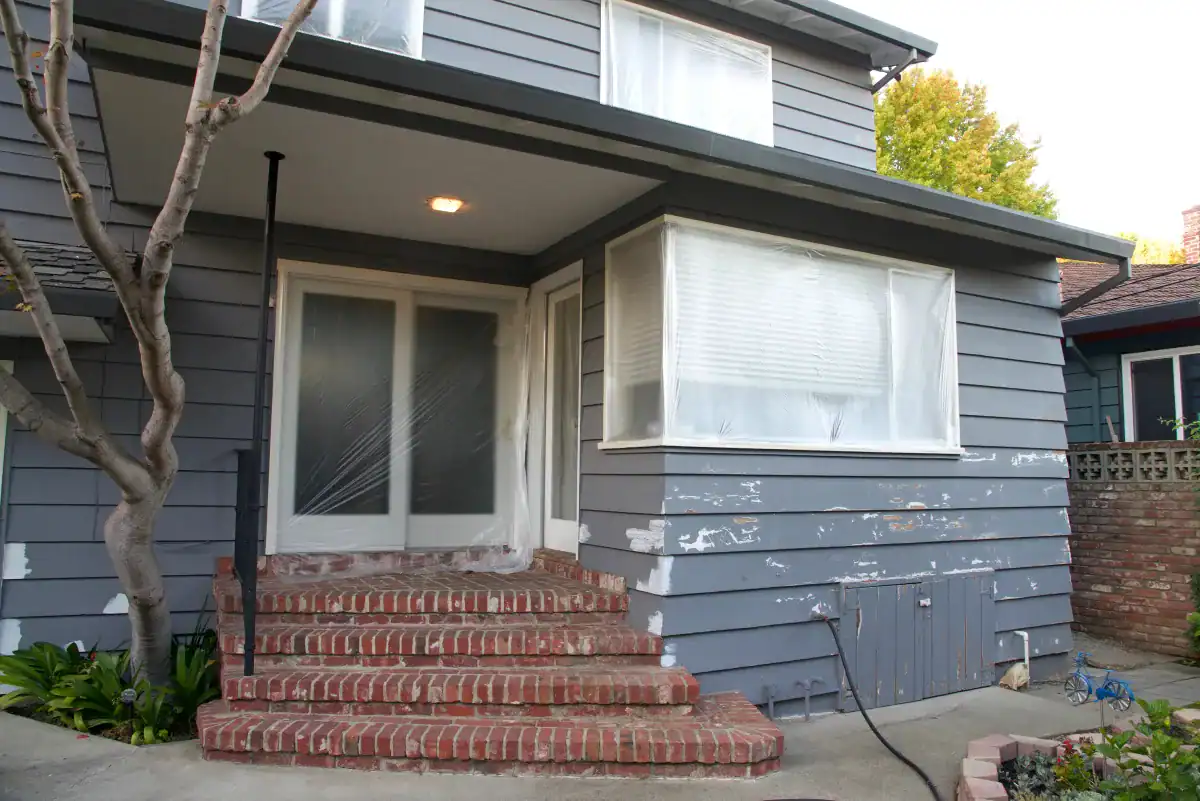
Most articles on this topic give you a range: seven to ten years. That is accurate as far as it goes. But after 37 years painting homes across Berkeley and the East Bay, Alan Joyce has seen paint jobs fail in three years and others still holding strong after fifteen. The range is real, and what sits inside it is worth understanding.
This article covers realistic lifespans by surface type, the specific conditions that affect East Bay homes, and what separates a paint job that holds up from one that does not.
Exterior paint lifespan depends primarily on the surface it covers. Here are realistic ranges for the materials most common in East Bay homes:
Wood siding: 7-10 years under good conditions. On older, weathered wood with significant previous paint buildup, expect closer to 5-7 years before problems appear.
Stucco: 5-8 years. Stucco is porous and absorbs moisture, which stresses the paint film over time, particularly during wet winters.
Fiber cement and hardboard siding: 10-15 years when properly prepared and painted with a quality product. These materials resist moisture absorption, which is the primary reason paint lasts longer on them.
Trim, fascia, and doors: 3-7 years. Trim faces more direct sun, sits at joints where caulk can fail, and takes more physical contact. Inspect trim separately from siding. It typically needs attention before the rest of the house does.
These ranges reflect quality work under reasonable conditions. When conditions are harder on the paint film, or when prep is cut short, the timeline compresses.
ℹ️ Inspect Your Trim Separately Trim, fascia, and doors typically need attention 2 to 4 years before the rest of the house. Direct sun exposure, caulk joint movement, and physical contact all accelerate wear on trim surfaces. During your annual inspection, check trim independent of siding. Catching trim failure early often means a targeted repair rather than a full repaint.
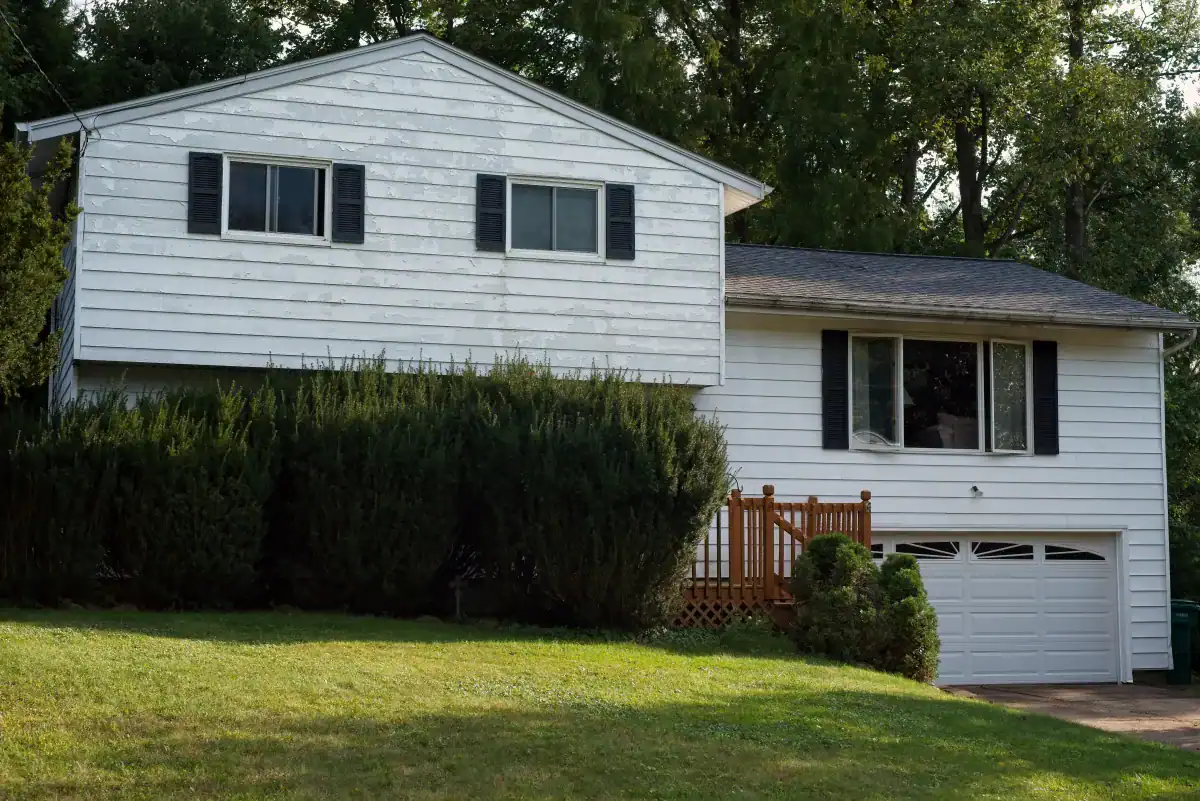
California has a reputation for being easy on exterior paint: plenty of sun, no freeze-thaw cycles, no snow. That is accurate for inland California. Berkeley and the East Bay are a different environment.
The marine layer is the dominant weather pattern for Berkeley and most of coastal Alameda and Contra Costa County. From late spring through early fall, fog rolls in off the bay most mornings, sometimes not burning off until mid-afternoon. This deposits moisture on exterior surfaces repeatedly, even without rain.
Paint does not need standing water to be affected. The repeated wet-and-dry cycles from morning fog followed by afternoon sun stress the paint film over time. Binders flex and release. The film gradually weakens. On north and west-facing walls, where fog lingers longest, this effect is most pronounced.
Nearly three decades of painting homes across Berkeley, Albany, El Cerrito, Piedmont, Montclair, and El Sobrante makes one thing clear: conditions vary significantly within the same service area.
A home in the Berkeley Hills gets consistent fog exposure, morning moisture, and shade on its north side. That north-facing wall often needs repainting on a shorter cycle than the south-facing wall on the same house. A home near the bay in West Berkeley or Albany faces direct bay wind and more salt air, which can affect paint adhesion and surface oxidation over time. A home in El Sobrante or Hercules, farther inland, sees less fog but more intense summer sun, which fades pigments and degrades binders differently.
The practical point: annual inspection matters more in the East Bay than in places with consistent conditions year-round.
Berkeley’s rainfall is concentrated between November and March. Exterior paint must be in solid condition going into fall. A film that is chalking, cracking, or showing early peeling in September will not survive a full rainy season intact. Water gets behind the failing film, wood swells, and by spring you face peeling and potential rot.
The best window for exterior repainting is spring through early fall, before rains arrive. Addressing early failure in summer costs far less than repairing water-damaged wood in spring.
💡 Pro Tip: Schedule Before September In the East Bay, the ideal window for exterior painting runs from late March through early September. Paint applied during this period has time to cure fully before the rainy season arrives. If your home is showing early signs of failure in summer, addressing it then costs far less than waiting until spring after a full winter of water infiltration.
Fog does not reduce UV exposure to the degree most homeowners expect. California’s latitude and elevation mean UV indexes regularly reach 8-10 in summer even in coastal zones. UV degrades paint binders over time, causing surface chalking and accelerated fading on deeper colors. Quality exterior products include UV inhibitors that make a measurable difference over a 10-year span.
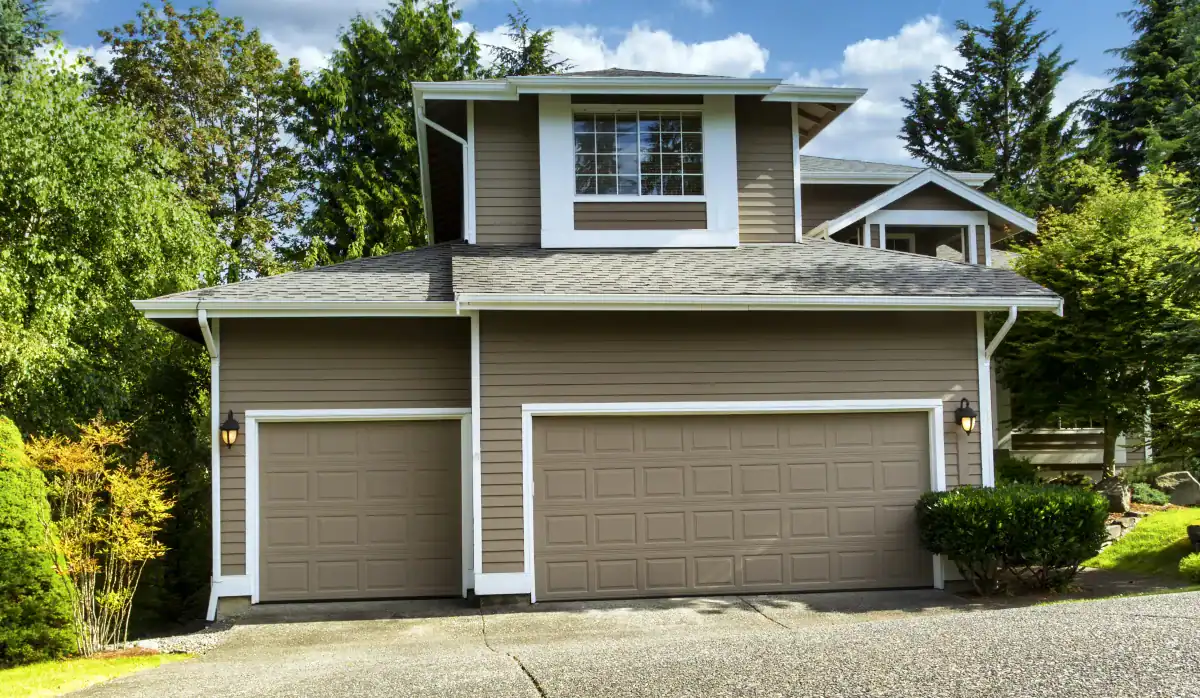
Longevity comes primarily from what happens before the paint goes on.
Surface preparation is the single most important factor in how long an exterior paint job holds up. Proper prep for an East Bay home includes:
⚠️ A Common Mistake That Costs More Later Painting over peeling, cracking, or soft wood does not fix the problem. It hides it for one season. By the time the new paint fails, the underlying damage is worse and the repair bill is higher. Any contractor who skips scraping, sanding, or wood repair before painting is compressing your next repaint cycle, not extending it.
A paint job built on proper preparation holds up. One that skips prep fails early, regardless of paint quality.
Labor is the dominant expense in an exterior paint job. The cost difference between premium and entry-level paint products is a small fraction of the total project. That difference can translate to several additional years before the next paint cycle. Premium exterior products carry higher concentrations of binding resins, better UV inhibitors, and often include mildewcide additives that matter in Berkeley’s moisture-heavy environment.
One coat is a shortcut. Two full coats build the film thickness that holds up to weather, UV cycling, and the moisture conditions common across the East Bay.
Exterior paint applied in the wrong conditions will not cure properly. Direct afternoon sun, temperatures above 90°F, high humidity, or application within 24 hours of expected rain all affect cure quality. Scheduling around these conditions is a practical decision that directly affects how long the finished job holds.
Darker exterior colors absorb more heat, which creates more thermal expansion and contraction in both paint film and substrate. Deep charcoals, navies, and blacks will fade faster and may develop micro-cracking sooner than lighter shades on the same preparation level. This is worth factoring into color selection, particularly for south and west-facing walls.
A thirty-minute walk around the house each year can prevent a much more expensive project later. Look for:
Catching these signs early keeps prep manageable and project cost lower. Waiting until siding is heavily deteriorated means more intensive prep, likely wood repairs, and a higher total cost.
A warranty reflects a contractor’s confidence in their own process. Offering a multi-year warranty on an exterior paint job requires doing the work right, because failures come back at no charge.
A&J Painting backs complete exterior paint jobs with a 5-year warranty. Anything that peels, fades, or bubbles gets repaired free of charge. That warranty is possible because preparation is thorough, products are quality, and application is handled by experienced crew under hands-on supervision.
Contractors who skip prep or use lower-grade materials cannot stand behind multi-year warranties. The warranty is evidence of the process.
For details on exterior painting services across Berkeley and the East Bay, visit the exterior painting services page.
🎯 Is Your Home Due for an Inspection? A&J Painting has been painting Berkeley and East Bay homes for 37 years. Alan Joyce holds C-33 License #759175 and has been Lead-Safe Certified since 2002. Every complete exterior job is backed by a 5-year warranty. Call (510) 292-3668 for a free estimate.
Get a Free Estimate →A quality exterior paint job that lasts 12 years costs less per year than a cheaper job that fails at 6, even if the upfront price is higher. When the less expensive job fails early, the next cycle starts sooner, often with higher prep costs from additional deterioration.
Thinking about exterior painting in terms of annual cost of protection changes the math. A paint job done right protects the structure, maintains curb appeal, and holds up without surprises.
For more detail on what these projects typically cost in this area, see our post on what exterior painting costs in Berkeley.
How long does exterior paint last on wood siding?
On well-prepared wood siding with a quality exterior product, expect 7-10 years. Older or heavily weathered wood, and homes in high-moisture environments like Berkeley, may land closer to the 5-7 year range.
How often should I repaint the exterior of my house?
Most homeowners in Berkeley and the East Bay should plan for a repaint every 7-10 years, though the timeline varies by location and exposure. Inspect annually, paying particular attention to north and west-facing walls where fog exposure is highest.
What makes exterior paint last longer?
Surface preparation is the primary factor. Surfaces must be clean, dry, and stable before painting. Beyond prep, a premium 100% acrylic latex exterior product applied in two full coats builds a film that holds up to the Bay Area’s conditions.
What are the signs my house needs repainting?
Look for chalking, peeling, bubbling, cracking, mildew streaks, and any spot where bare wood is visible. Catching these early reduces project cost and prevents structural damage that would require repairs before the next paint job.
Does Bay Area fog shorten how long exterior paint lasts?
Yes, particularly on north and west-facing walls. Repeated moisture and drying cycles from the marine layer stress paint films over time. Homes in Berkeley Hills and other fog-exposed parts of the East Bay typically need repainting more often than homes in drier inland cities.
Does a contractor warranty mean the paint will last longer?
A contractor warranty is evidence the job was done correctly. Contractors who skip prep or use lower-quality products cannot stand behind multi-year warranties. A 5-year warranty reflects confidence in the preparation, the product, and the application.
Exterior paint longevity follows from preparation quality, product quality, and skilled application. Those three things, done right, produce paint jobs that hold up through Berkeley’s fog cycles, UV load, and rain season.
Alan Joyce has practiced quality craftsmanship for 37 years across Berkeley and the East Bay. A&J Painting Inc. holds C-33 Contractor License #759175, and Alan has been Lead-Safe Certified since 2002. The 5-year exterior warranty is not a marketing line. It is the outcome of a preparation and application process that consistently produces durable results.
If your home is due for an inspection or a fresh coat, contact A&J Painting for a free estimate. Call (510) 292-3668 or reach out through the contact page.