
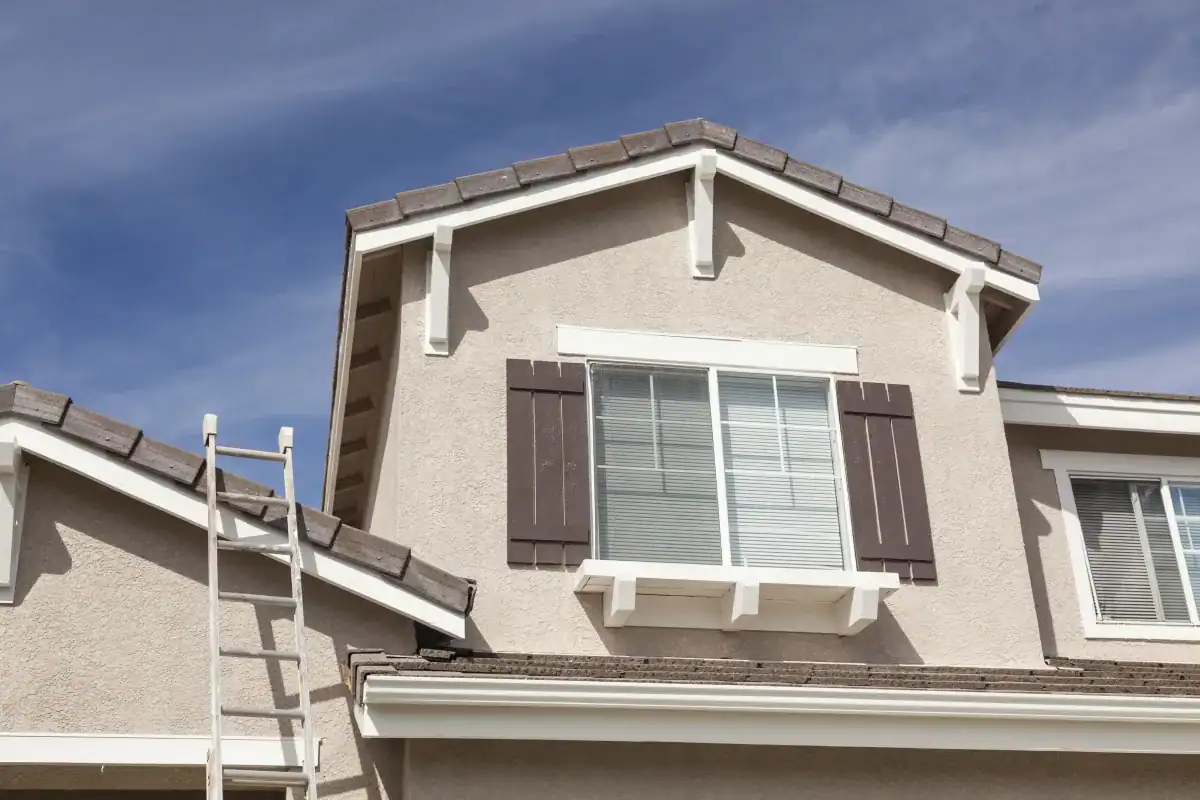
Exterior painting in Berkeley typically runs $3,500 to $8,500 for a standard single-story home. Two-story homes run $6,000 to $14,000 or more, depending on size, access, and the condition of the surface before anyone picks up a brush.
ℹ️ Berkeley Pricing vs. National Averages
Berkeley exterior painting runs 20 to 30 percent above national cost estimates. Bay Area labor rates, EPA lead-safe compliance requirements, and premium paint products that hold up to coastal fog and UV exposure all contribute. National calculator numbers will consistently underestimate your actual project cost.
Those numbers are higher than what you'll see on national cost calculators, and there are good reasons for that. Bay Area labor rates are significantly above the national average. The paint products that hold up to Berkeley's combination of coastal fog, UV exposure, and temperature swings cost more per gallon than contractor-grade alternatives. And most Berkeley homes were built before 1978, which triggers EPA Renovation, Repair and Painting (RRP) Rule compliance that adds time and cost to any legitimate exterior job.
The cheapest quote you get is rarely the cheapest outcome. A paint job done without proper surface preparation, primer application, and professional-grade materials will start peeling or fading within a year or two. At that point, you're paying again to do it right on top of the damage left behind.
In this guide, I'll cover what exterior painting costs by home size and type in Berkeley, the five factors that move the number up or down, what a professional job actually includes, and how to tell whether a low quote reflects competitive pricing or cut corners.
My name is Alan Joyce. I founded A&J Painting Inc. in 1999 and have been painting homes in Berkeley and the East Bay for 37 years. I hold a C-33 Painting and Decorating contractor license (verified at CSLB.ca.gov, #759175), have been Lead Certified since 2002, and paint an average of 40 to 60 exterior homes per year in Berkeley and the surrounding East Bay cities.
Berkeley exterior painting runs $2.20 to $6.00 per square foot of paintable surface area, depending on home complexity and condition. That range sits 20 to 30 percent above national averages due to Bay Area labor rates, lead-safe compliance requirements, and the architectural complexity of Berkeley's housing stock.
The table below reflects current Berkeley and East Bay labor rates and professional-grade paint products.
| Home Size / Type | Typical Range | Notes |
|---|---|---|
| Small single-story (1,000-1,500 sq ft) | $2,800-$4,500 | Standard prep, single color |
| Medium single-story (1,500-2,200 sq ft) | $3,500-$6,500 | Includes fascia, trim |
| Large single-story (2,200+ sq ft) | $5,500-$9,000 | Multiple trim colors add cost |
| Two-story (any size) | $6,000-$14,000+ | Scaffolding adds time and cost |
| Victorian / Craftsman with detail work | $7,000-$18,000+ | Multiple colors, intricate trim |
Most professional contractors price exterior work by the job, not the square foot, because the number that actually drives cost is the condition of the surfaces and the complexity of the work.
A 1,400 square foot Victorian in Berkeley's Elmwood neighborhood with five exterior colors, detailed gingerbread trim, and original wood windows from 1905 costs substantially more to paint than a 2,000 square foot flat-sided stucco ranch in El Cerrito. Same square footage ballpark, completely different scope. On the Victorian, scraping, masking, and detailed cutting alone can consume more time than the painting itself.
⚠️ Pre-1978 Homes Require Lead-Safe Practices
Most Berkeley homes were built before 1978. Under the EPA Renovation, Repair and Painting (RRP) Rule, contractors must use wet-scraping methods, HEPA vacuuming, and proper containment when disturbing painted surfaces. Ask to see a firm's EPA RRP certification before signing any contract. A contractor who doesn't mention lead compliance on a pre-1978 Berkeley home is a problem.
Berkeley's pre-1978 housing stock, which makes up the majority of homes in the city, also carries lead paint compliance requirements that add 15 to 25 percent to labor cost on affected surfaces. Any contractor who doesn't factor that in either isn't doing the work properly or isn't certified to do it.
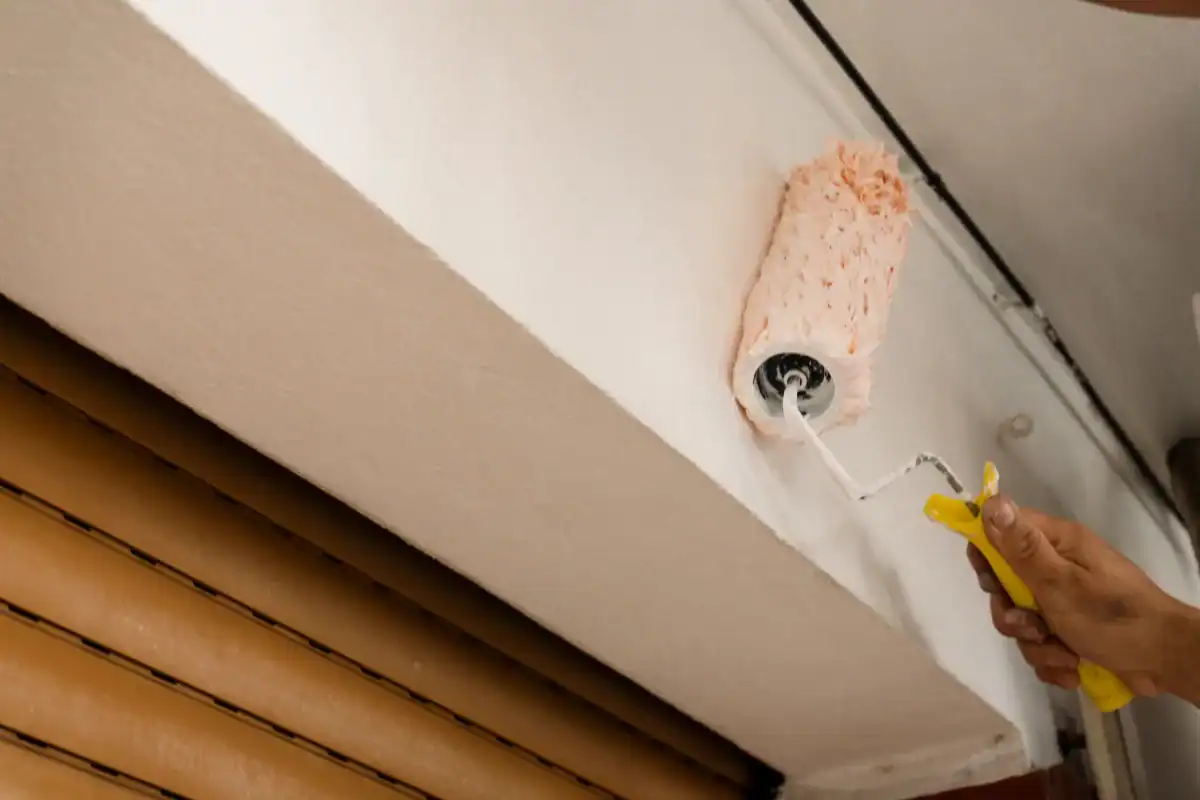
Proper surface preparation represents approximately 60 percent of labor hours on a well-executed exterior painting project. A house in solid condition needs standard prep: pressure washing, caulk application at gaps and seams, spot priming of bare wood, then finish coats. That's the base case.
A house with significant peeling paint, failed caulking, wood rot, or a chalking surface needs substantially more work before paint can go on. Chalking refers to the powdery, oxidized residue that appears on aged exterior paint, particularly on stucco, as the binder breaks down over time. It signals that the existing paint film has degraded and cannot provide adequate adhesion for a new coat. Painting over a chalking surface without removal causes the new coat to fail along the same degraded edges.
ℹ️ What Chalking Paint Looks Like
Run your hand across an exterior wall that appears faded or dull. If your palm comes away with a white or gray powdery residue, the surface is chalking. That powder is oxidized paint binder, and it means the existing film can no longer hold a new coat. Painting over it without treatment guarantees early failure.
When two quotes are far apart in price, the difference almost always lives in what was left out of the cheaper one.
⭐ Key Takeaway
Surface preparation accounts for approximately 60 percent of labor hours on a properly executed exterior painting project. When two quotes are far apart, the difference almost always lives in what prep work the cheaper one left out. Quality craftsmanship starts before the first coat goes on.
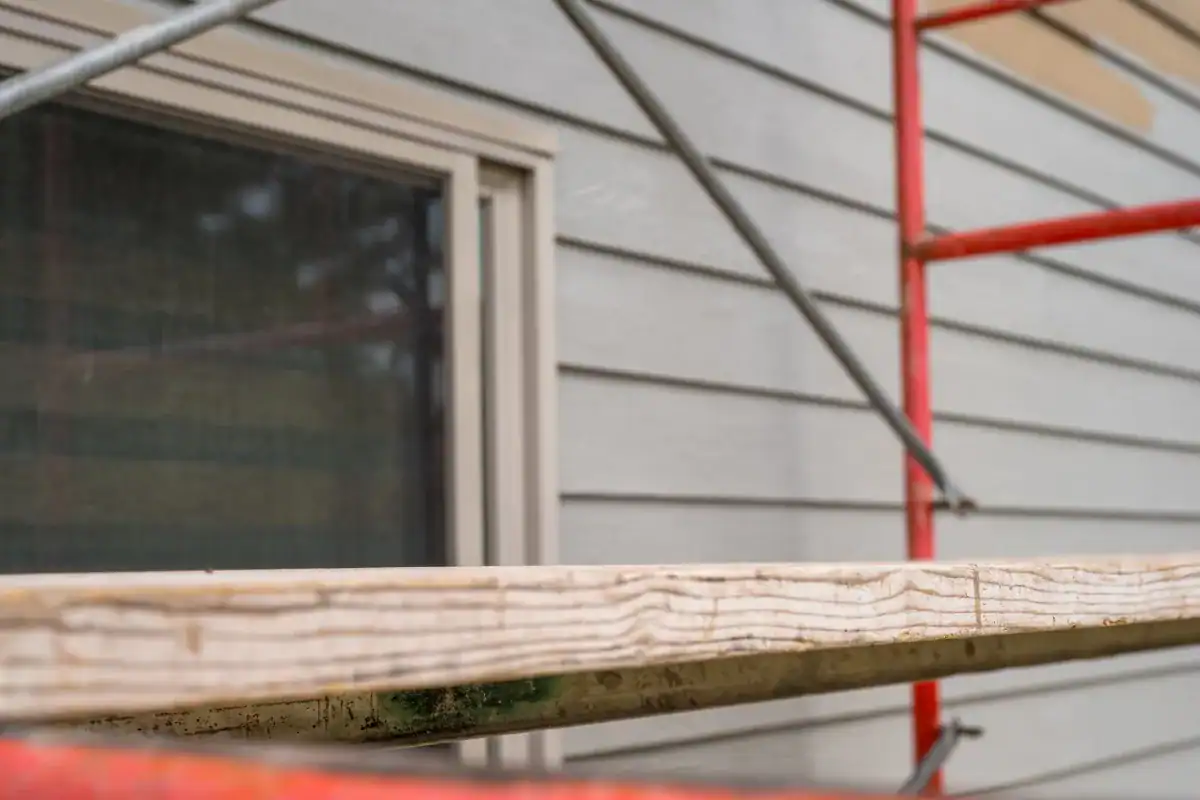
Ground-level exterior work is straightforward. Two-story work requires extension ladders and, on many Berkeley hill properties or larger Victorians, scaffolding. Scaffolding on a larger Berkeley exterior adds $500 to $1,500 to the project cost. It's not optional when the work requires it. Any contractor who quotes a two-story Victorian without including access equipment either plans to skip portions of the work or cut the detail on upper-story trim.
A single body color with trim in one additional color is the simplest exterior painting scope. Every additional color adds masking time and complicates sequencing. A Craftsman bungalow painted with body, trim, porch ceiling, and front door tones takes longer than a single-color stucco box but less time than a Victorian with five separate colors and 200 or more linear feet of decorative trim. Color count and architectural complexity are direct cost multipliers.
Wood siding, stucco, cedar shingles, and fiber cement each require different primers, paint products, and application approaches.
Stucco requires close attention to any cracking. Hairline cracks that haven't stabilized require an elastomeric coating: a thick, rubber-like paint film specifically formulated for stucco and masonry substrates. Elastomeric paint is 3 to 4 times thicker than standard acrylic latex and is designed to stretch and recover as cracks open and close with thermal movement. Standard acrylic latex painted over active cracks in stucco will crack visibly within two to three years as the substrate keeps moving.
Wood siding requires a flexible 100 percent acrylic latex that can expand and contract with the daily temperature swings Berkeley sees: cool foggy mornings in the 50s and afternoon clearing into the 70s or 80s. That daily cycling stresses paint at trim intersections and breathes apart caulk joints over time. Paint chemistry and product selection matter here.
Paint applied over rot, failed caulk, or cracked stucco will fail early. Every time. The substrate problem doesn't disappear under paint; it accelerates paint failure.
Wood rot is common on Berkeley's older Victorians and Craftsman bungalows, particularly in ornate trim pieces and anywhere moisture has been getting in through failed caulk joints. Rot needs to be cut out and replaced, or stabilized with an epoxy consolidant and filler, before a brush goes near it. On a well-maintained house, repairs add little to nothing. On a house that hasn't been painted in ten or twelve years, repair costs can add $500 to $2,000 or more depending on what has accumulated.
Berkeley's marine layer microclimate creates specific paint performance challenges that don't apply in drier California regions. Understanding these factors explains why Bay Area exterior painting costs more and why product selection matters more here than it does in Sacramento or the San Joaquin Valley.
Morning fog deposits moisture on exterior surfaces even when it's not raining. This affects application windows during summer months and drives long-term moisture cycling that stresses wood siding and caulk joints. North-facing and shaded walls in Berkeley's fog belt are prone to mildew growth that must be treated before new paint goes on.
East Bay homes also experience wide diurnal temperature swings: cool mornings in the 50s and afternoons in the 70s and 80s. Wood siding expands and contracts with these daily cycles. Over time, this movement breathes apart caulk joints and can cause paint at trim intersections to crack. Flexible acrylic latex, rated for high-movement applications, handles this climate better than oil-based or alkyd formulations.
UV exposure on south- and west-facing elevations is significant, particularly in summer afternoons when the marine layer burns off. Darker colors fade faster on sun-exposed walls. Premium acrylic exterior paint grades with enhanced UV blockers outperform standard grades meaningfully in Berkeley's sun-and-fog cycle.
A complete exterior painting job from A&J Painting includes all of the following:
I'm on site every day. I personally conduct the final walkthrough before we call a job finished.
Primer on bare wood seals the substrate, improves topcoat adhesion, and prevents tannin bleed-through on cedar and redwood. Skipping primer causes the topcoat to absorb unevenly and fail early at bare spots. It's one of the most commonly skipped steps on low-bid jobs, because it costs time and materials.
A&J's 5-year exterior warranty covers peeling, fading, and bubbling. If any of those issues appear within five years, we return and fix them at no charge. That warranty is only possible because the surface preparation is done correctly. A contractor who cuts prep costs doesn't offer a 5-year warranty, because they know the paint won't hold for five years.
Most professional painters in the East Bay offer 1 to 3 years on exterior work. A few offer 3 to 5 years. Five years with full bumper-to-bumper coverage (no exclusions for "only the areas that peeled more than X inches" or "labor not included") is at the top of what the professional market offers.
💬 From the Owner
"A 5-year bumper-to-bumper warranty is only possible when the surface preparation is done correctly. We offer it because we do the prep. A contractor who skips prep can't stand behind the work for five years, because they know it won't hold."
Alan Joyce, Owner, A&J Painting Inc. | C-33 License #759175 | Lead Certified since 2002
When one estimate comes in 30 to 40 percent below the others on the same house, ask specifically about these items:
💡 Before You Accept a Low Bid
Ask for the specific paint product name and grade. Ask how many prep days are included. Ask about EPA RRP certification. Ask to see the warranty in writing. If a contractor hesitates on any of these, you have your answer. The questions cost nothing. A failed paint job costs everything.
Prep hours. How many hours of prep work per day before painting starts? A two-story Berkeley home should have multiple prep days. If a crew plans to be done in two days total, ask them to walk through what prep they're including. The answer will tell you what they're planning to skip.
Paint grade. Professional-grade exterior acrylic latex runs $65 to $90 per gallon. Contractor-grade and budget products run $20 to $35. The difference shows up in coverage, adhesion, flexibility, and how long the job lasts. Ask for the specific product name and grade.
Primer. Are all bare wood and scraped surfaces being primed before finish coats? Primer on bare wood seals the substrate, improves adhesion, and prevents tannin bleed-through on cedar and redwood. Painting over bare wood without primer causes the topcoat to absorb unevenly and fail early. This step gets skipped on cheap bids because it costs time and materials.
Caulking. Is all window and door caulking being replaced? A typical Berkeley exterior has 100 to 300 linear feet of caulkable joints. Water that gets behind paint through failed caulk is the leading cause of peeling on East Bay homes. Skipping caulk replacement is an invisible shortcut that shows up 18 months later.
Lead-safe compliance. Berkeley's pre-1978 housing stock means most East Bay exterior jobs trigger EPA RRP Rule requirements. Lead-certified contractors must use wet scraping methods, HEPA vacuuming, and containment. Ask to see the firm's EPA RRP certification before signing anything.
Written warranty. Any warranty offered should be in writing, covering labor and materials, with specific terms. A verbal promise from a contractor who finishes the job and moves on is worth nothing.
Low bids that omit one or more of these items produce paint jobs that look fine for six to twelve months, then start failing. The homeowner then pays again, sometimes more than they would have paid for a quality job originally, to redo work on a surface that now needs extra remediation.
A&J does not compete on price with contractors doing minimum-prep work. We've built the business on jobs that hold up, and the 5-year warranty exists because the prep work makes it possible.
A written estimate for exterior painting in Berkeley should specify all of the following:
Red flags that indicate a quote is incomplete or problematic:
An estimate that doesn't specify what's included leaves you with no recourse when the work doesn't match your expectations. If a contractor won't put it in writing, that matters.
A&J provides free in-home estimates with transparent, itemized pricing. I assess every job personally before quoting it. Our exterior painting service page covers our full process and what to expect from start to finish. If you're in Berkeley or the East Bay, you're in our service area.
With professional-grade paint and proper surface preparation, exterior paint holds up for 7 to 10 years in the East Bay. Poor prep or lower-quality products can require repainting in 3 to 5 years. A&J's 5-year warranty guarantees performance through the first five years of any job we complete.
Some painters offer slightly lower rates in the winter due to reduced demand. In the Bay Area, exterior painting is possible year-round, but winter work requires scheduling around fog, rain, and minimum surface temperatures before application. The cost savings, when they exist, are modest and not always worth the scheduling constraints. Spring and fall windows are usually the most practical for Berkeley homeowners.
In most cases, yes, as long as the existing paint is still adhering. If the existing paint is chalking (showing powdery oxidation residue), peeling, or lifting from the surface, it needs to be removed or stabilized before new paint goes on. Painting over a failing or chalking surface causes the new coat to fail along the same edges, usually within a year. The condition of the existing paint is the key question, and it should be assessed before any quote is finalized.
A&J's average exterior home project takes 6 days. Larger homes, Victorians with complex trim, or homes requiring significant prep or repair work may take 8 to 10 days. I provide a detailed timeline with every estimate so you know what to expect before we start.
Yes. Most Berkeley homes were built before 1978, which means EPA RRP Rule requirements apply. Lead-certified contractors must use wet-scraping methods, HEPA vacuuming, and proper containment. These practices add 15 to 25 percent to labor cost on affected areas compared to non-compliant work. I've been Lead Certified since 2002. Any contractor quoting an East Bay pre-1978 home without mentioning lead compliance either isn't certified or isn't planning to follow the rules.
Not for most of the job. I ask homeowners to be available for the initial walkthrough so we're aligned on scope and color before work starts, and for the final review and approval when the job is complete. The crew handles daily access and coordination in between.
Yes. Paint and all materials are included in the project price. You choose the colors; we handle procurement, application, and cleanup.
The most accurate way to know what your exterior painting project will cost is to have an experienced contractor walk the property and assess what it actually needs.
🎯 Schedule Your Free In-Home Estimate
The most accurate way to know what your exterior painting project will cost is a walkthrough with an experienced contractor. Alan personally assesses every job before quoting it. You get an itemized written quote, a clear timeline, and our 5-year bumper-to-bumper warranty in writing.
Call A&J Painting at (510) 292-3668 or contact us online to schedule a free in-home estimate. I'll assess the surface condition, discuss your color goals, and give you an itemized written quote with a clear timeline and our 5-year bumper-to-bumper warranty in writing.
A&J Painting Inc. serves Berkeley, Albany, El Cerrito, Richmond, Hercules, El Sobrante, Pinole, Emeryville, Piedmont, and Montclair. C-33 License #759175. Lead Certified since 2002.